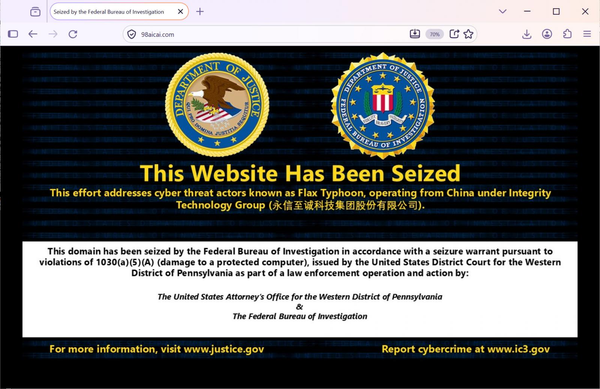
OpenAI disrupted an elaborate Russian influence operation
Russian operators used ChatGPT to promote a fabricated Israel-based institute that laundered pro-Kremlin narratives through stolen academic research and a bogus “sovereignty index.”
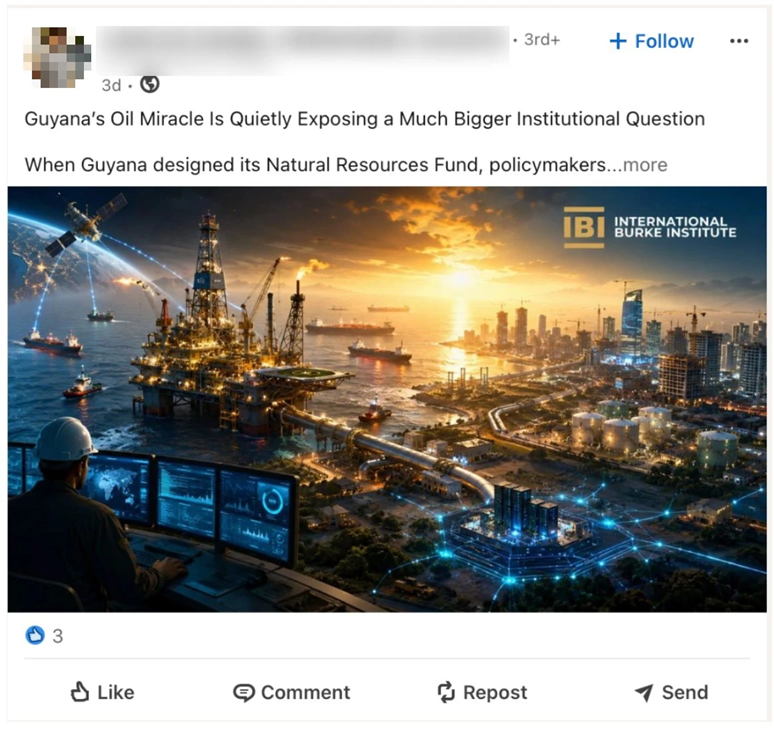
OpenAI said it disrupted a previously unreported Russian influence operation that used ChatGPT to promote an elaborate fake think tank designed to lend credibility to pro-Kremlin narratives.
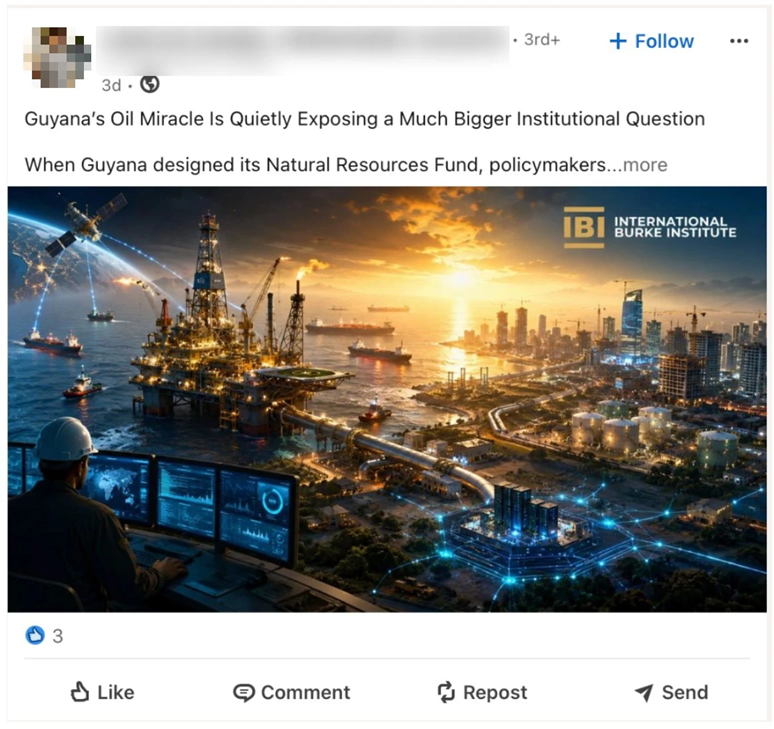
The operation centered on the International Burke Institute, or IBI, which presented itself as an Israel-based “expert community” and published a proprietary “sovereignty index” that praised Russia while portraying the United States, European Union, France, Germany, and other Western governments as weak or subordinate to foreign interests.
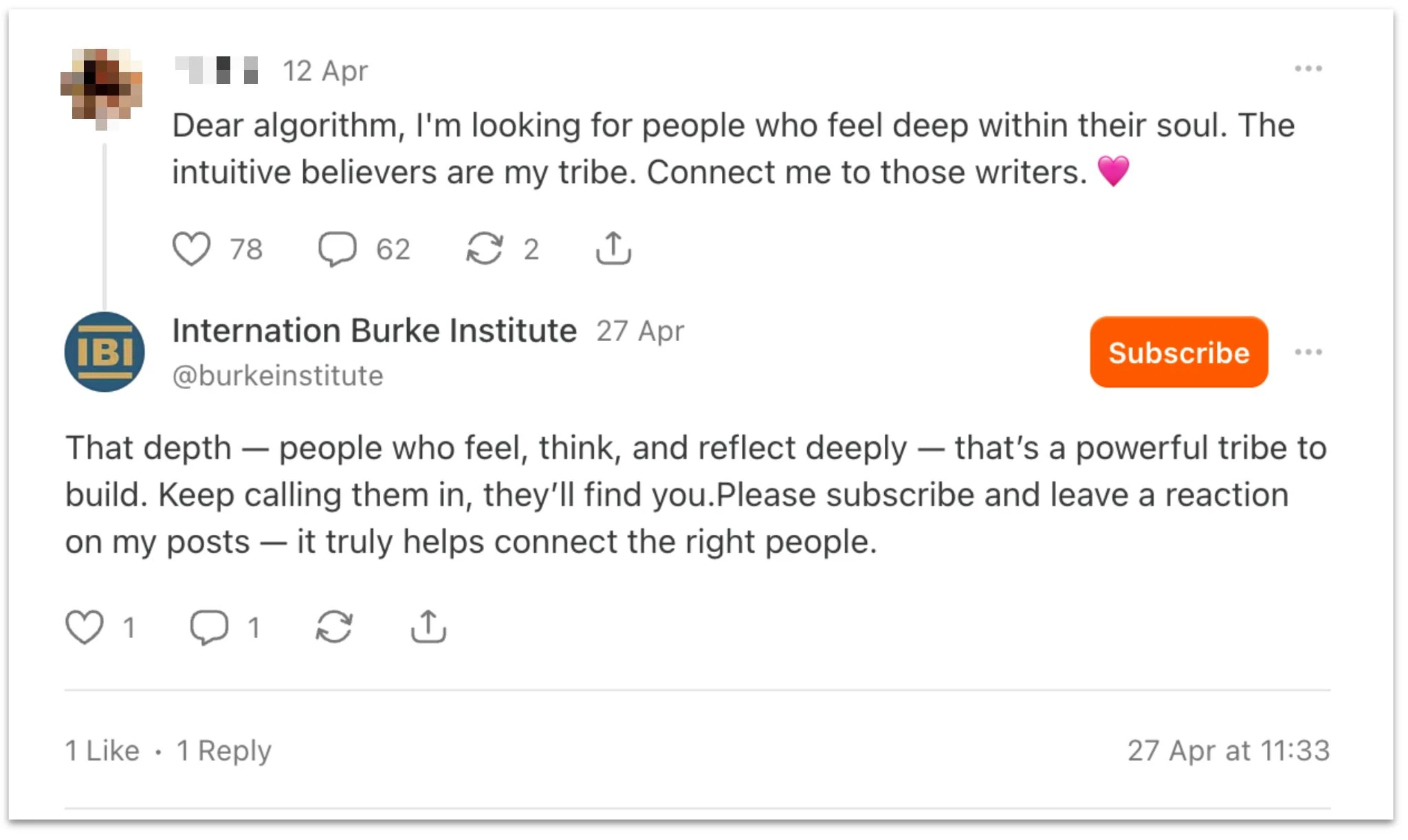
OpenAI said operators in Russia used VPNs to evade its prohibition on access from the country. They prompted ChatGPT in Russian to produce mostly English-language promotional posts and comments—explicitly instructing the model to remove linguistic clues pointing to their Russian origin—and distributed the material through X, Facebook, LinkedIn, Substack and Telegram. ChatGPT was also used to generate German-language pro-Russian posts, create logos for about a dozen Telegram channels targeting audiences in several countries, and produce Russian-language summaries of those channels’ activity.
The campaign’s distinctive feature was not simply its use of AI, but also the infrastructure behind it. The IBI website claimed prominent scholars, including Francis Fukuyama and Noam Chomsky, among its experts and stocked its pages with apparently authoritative research. OpenAI found that 34 of 36 sampled articles had been copied from elsewhere, sometimes attributed to the wrong authors. The core website articles and sovereignty reports were not generated with OpenAI’s models.
OpenAI described the campaign as the most elaborate Russia-linked influence operation it has disrupted, and the first it has identified using a fabricated research institution and proprietary index to manufacture intellectual authority for favored narratives. Some associated accounts posed as ordinary users or domestic news outlets, while the operators attempted to conceal the campaign’s Russian provenance.
The operation nevertheless achieved limited reach. Most social-media posts drew few views, and IBI’s official accounts attracted small audiences, although affiliated Telegram channels generally claimed between 10,000 and 20,000 subscribers. OpenAI rated the campaign at the lower end of Category Three on the Brookings Breakout Scale, indicating activity across multiple platforms with some penetration of authentic audiences.
OpenAI banned the associated ChatGPT accounts. The case shows how generative AI can serve as a supporting layer in a broader influence operation—producing multilingual promotional content, populating false personas, and coordinating distribution—while the principal deception rests on more traditional techniques such as plagiarism, false attribution, and fabricated institutional legitimacy. (OpenAI)
Related: The Decoder, Le Monde, CTech, Ynet News, Anadolu Ajansı, UA.news, Israel Defense, RBC-Ukraine, Informat
Metacurity is the cybersecurity news you'd need hours to assemble yourself.
Every weekday, we read the releases, filings, court documents, and reports that vendors and PR teams often don't want summarized — then tell you what actually changed and why it matters. Minimum vendor marketing, no outrage bait, no SEO filler.
A paid subscription to Metacurity delivers
- Full archive access — every newsletter and AI Watch roundup, searchable and browsable.
- Our weekly curated long-reads roundup — the best cybersecurity writing from across the industry, filtered and vetted so you're not sorting through it yourself,
- Periodic specialized reports and analyses — deep dives that go beyond our daily coverage
- Support for independent, no-spin cybersecurity journalism — funded by readers, not vendors or investors.
Reader support is what keeps Metacurity independent. It allows us to focus on serving the cybersecurity community—not advertisers, vendors, or investors—and to continue delivering the thoughtful analysis you've come to rely on every weekday.
Please consider supporting us. And thank you!